
Imprv Labs is the research blog of imprv.ai — a platform built to help people learn, remember, and grow more efficiently. We explore the best learning algorithms and implement practical tools so anyone can develop faster, not by chasing motivation, but by building systems that endure.
Latest from Labs
-
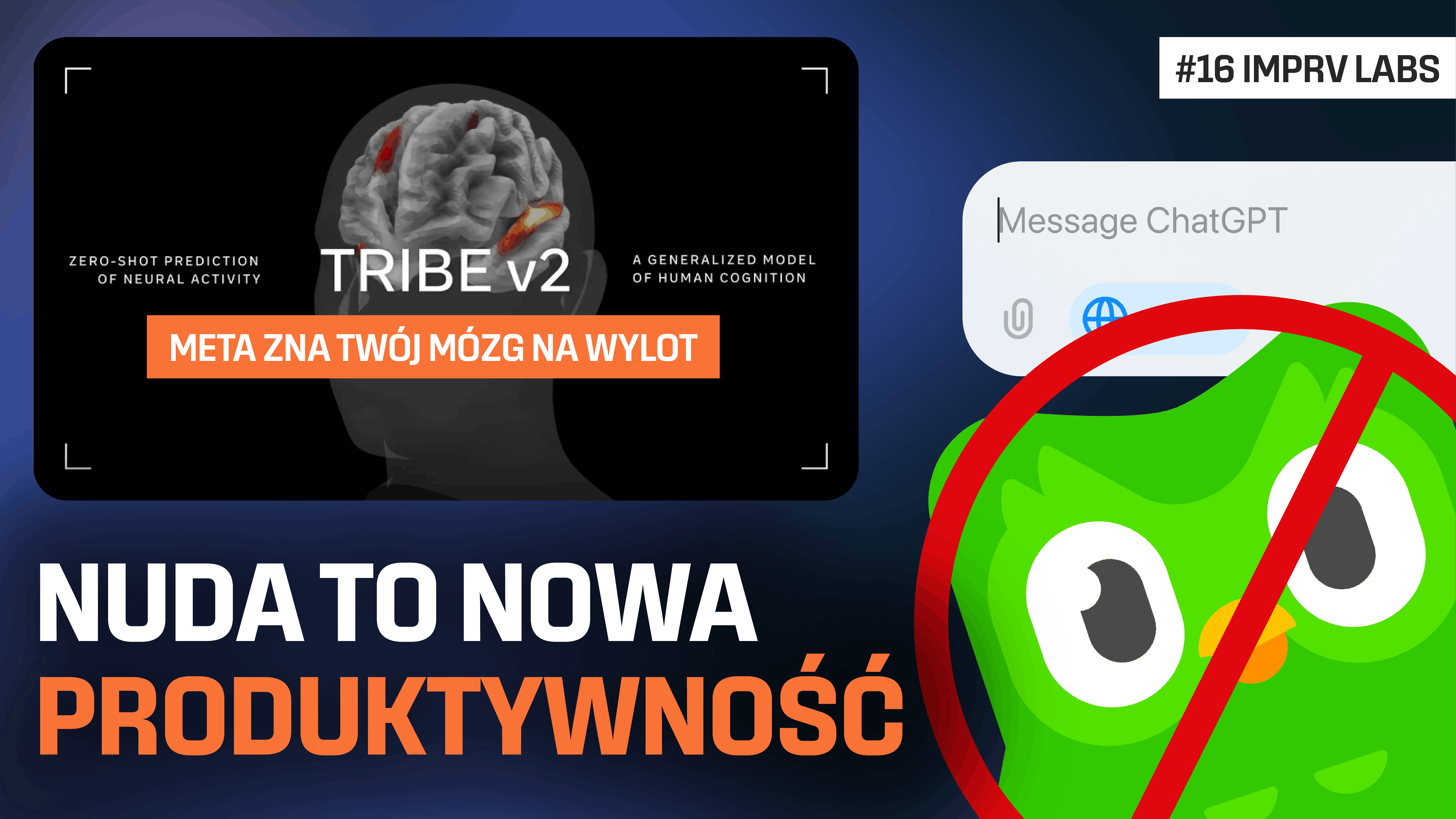
Procrastination is rarely a problem of time. Usually, it's a problem of emotions, overstimulation, and lack of real rest. This means that a better planner is not enough. Often, fewer stimuli, fewer “helpers,” and more deliberately induced boredom are necessary.
-
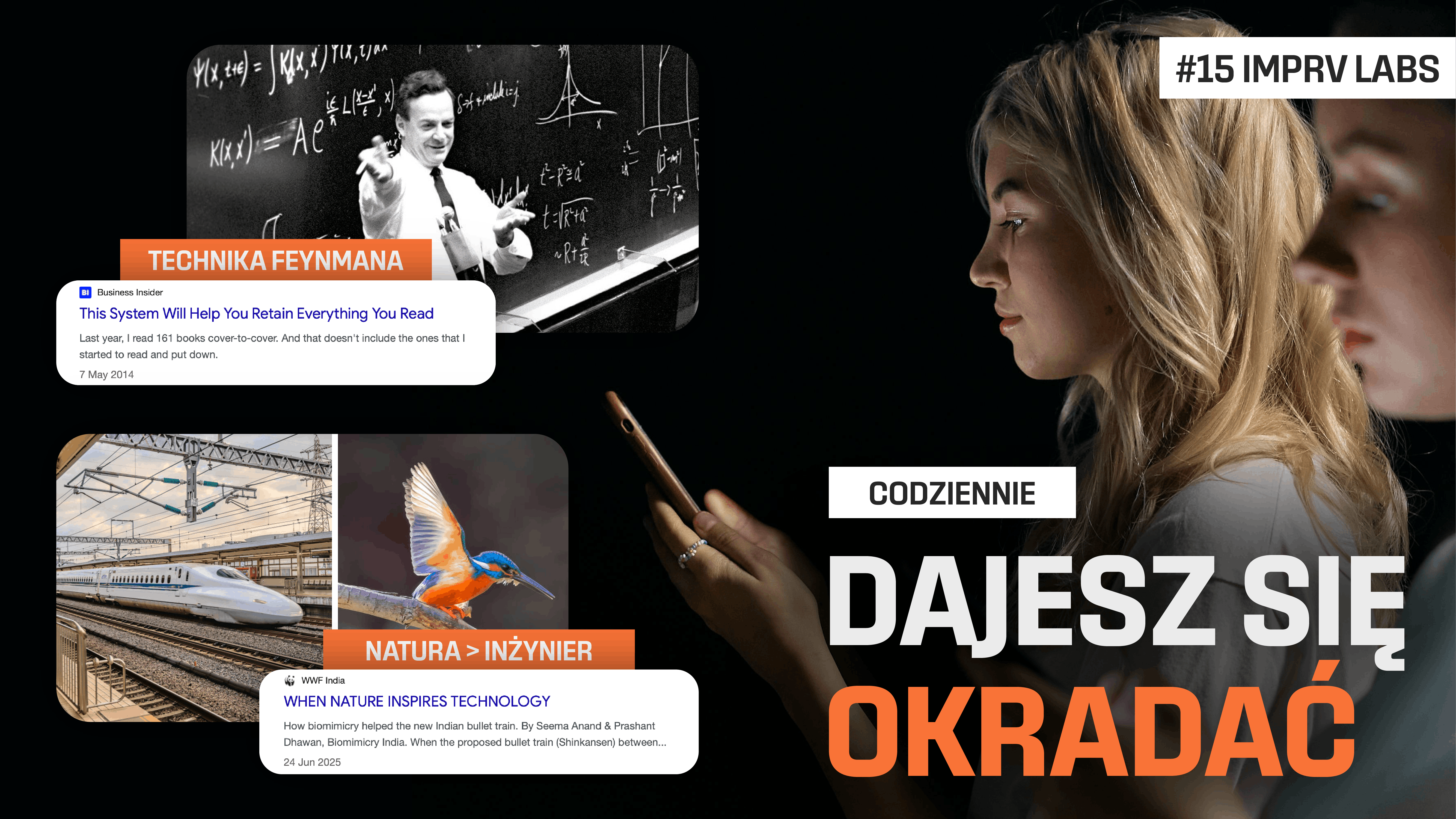
When someone dives into the topic of learning, they quickly get overwhelmed. Flashcards, mind maps, memory palaces, interleaving, Active Recall, Space Repetition, forgetting curve—it looks like separate worlds. And then the classic question comes up: which technique is the best? That's usually the wrong place to start.
-

For years, we were told that learning must hurt, and that work, by definition, is something you need to rest from. The problem is, the brain works differently. When curiosity, play, flow, and a sense of meaning appear, we learn faster, deeper, and for longer.
-
If you feed your brain the same set of stimuli day after day, you teach it only one thing: "optimize for a repetitive world." The problem is, the world is rarely repetitive. Overfitting works on humans just like it does on AI models: great performance in familiar formats, poor results in new situations.
-
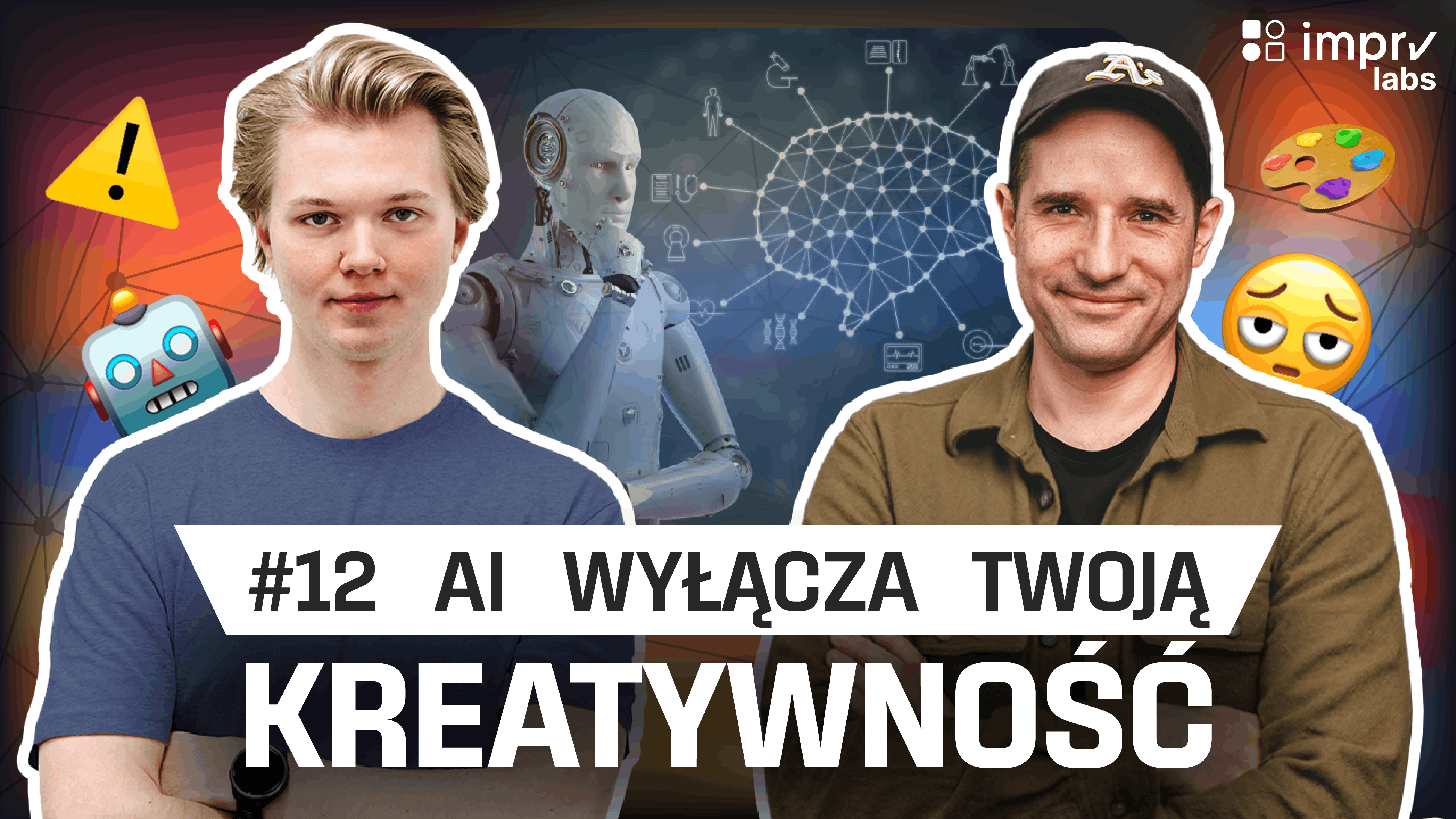
Artificial intelligence can create beautiful things in 10 seconds. And that's precisely why it can be dangerous: it's easy to mistake aesthetics for originality, and speed for real progress. When AI starts feeding AI, and recommendation algorithms feed us, the world becomes increasingly uniform, predictable, and less creative.
-

An ant trapped in a circle drawn with a pen looks like a joke. And yet, it keeps circling inside as if behind glass. This image perfectly explains why adults get stuck in a job, habit, or environment that “should be easy to change.” The thesis is simple: most constraints don’t take the form of a wall.
-
You can spend years learning a language and still freeze on the first call from a client. Or you can shift to a mode where language stops being a school subject and becomes something practical: a tool for relationships, work, and identity.
-

It's easy to fall into the trap of “just a few more hours”: 300 hours of courses, 1,000 days with the app, eight hours a day at work and somehow it will “just stick.” The problem is, time is the weakest lever for improvement if you lack strategy, tough repetitions, and fast error correction.
-

We still fall for the naive belief that more work = better results. In practice, it's often the opposite.Movement changes the operation of systems responsible for attention, impulse control, and memory.
-

70% of companies declare they use AI, and at the same time 80–90% don’t see any measurable impact on productivity or employment. AI very quickly becomes a colorful toy that mainly accelerates… chaos.
-
Linear and bullet-point notes may look “serious,” but all too often they turn you into a recorder rather than a learner. If your goal is real understanding and later recall, the more effective path leads through mind maps.
-
Why invest 1,000 hours in learning a language if technology will handle the translation for me? The answer is simple: in language learning, it was never just about the language itself.
-
Speed reading isn't a trick for the "gifted." It's a set of simple habits that turns reading word-by-word into scanning and grasping meaning.
-

The difference between a polyglot and a struggling student isn't talent—it is the algorithm they use to learn. Why your brain is capable of mastering a new language.
-
Why becoming a Polymath—a person with broad, varied interests—is the smartest career move you can make. Side hobbies are fuel for true innovation.
-
True fulfillment comes from the state of Flow. We dive into the research behind human happiness and how to hack your brain to enjoy even the most mundane tasks.