The Science of Happiness: Why "Flow" Matters More Than Money
We often assume that happiness is found in simple pleasures—a day with absolutely nothing to do, or perhaps a significant raise at work. But according to science, true fulfillment comes from a different source: the state of Flow.
Let's dive deep into the research behind human happiness, self-development, and how to hack your brain to enjoy even the most mundane tasks.
The Income Paradox: Why Money Doesn't Buy Bliss
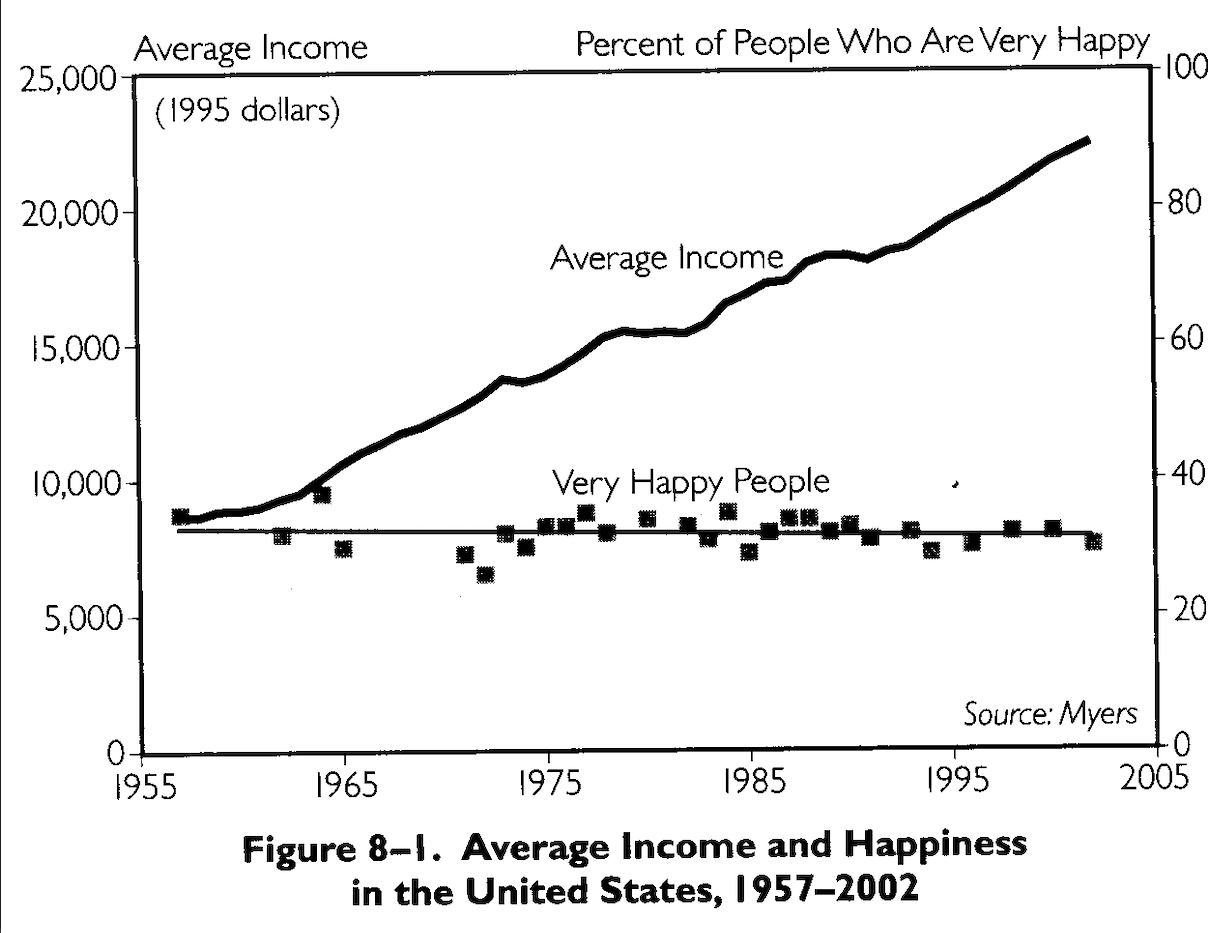
Before diving into the solution, we have to look at the data. The hosts discuss a famous study tracking the United States population from 1955 to 2005.
- The Data: Between 1955 and 2005, the average income per person in the U.S. increased steadily in a nearly linear fashion.
- The Result: Despite this growth, the percentage of people classifying themselves as "very happy" remained constant—or even dipped slightly.
The conclusion is stark: once basic physiological needs like food and shelter are met, there is no correlation between increased income and increased happiness. If endless resources don't make us happy, what does?
Enter the "Flow" State
The secret to happiness lies in a concept defined by Hungarian researcher Mihaly Csikszentmihalyi: Flow.
Flow is described as "engagement without effort." It is that state of "ecstasy" or being "in the zone" where you become so absorbed in a task that you lose track of time and self-consciousness. Whether you are a musician, a coder, or a runner, it is that moment where the action feels like it is happening automatically.
The Pillars of Flow
According to research involving thousands of participants—from monks to mountaineers—people are happiest when these conditions are met:
- Complete Concentration: Total engagement in the present moment within an environment that doesn't distract.
- Clarity of Goals: Knowing exactly what needs to be done and having a clear internal feedback loop.
- Immediate Feedback: Seeing the progress you are making in real-time to know how well you are doing.
- Intrinsic Motivation: The activity itself becomes the reward, leading to a sense of purpose.
The Golden Rule: The 20-30% Challenge
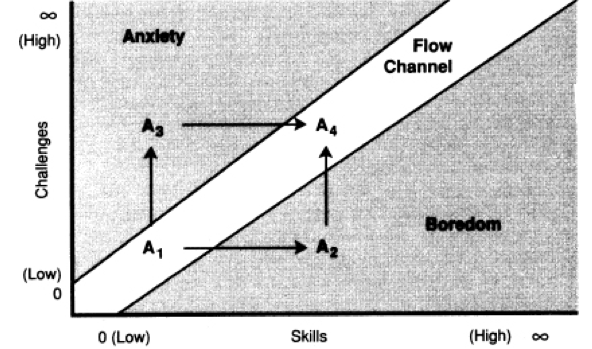
How do you trigger this state? It comes down to balancing Challenge vs. Skill.
- Anxiety: If the challenge is high but your skills are low, you feel anxiety, dread, or even apathy.
- Boredom: If your skills are high but the challenge is low, you enter a state of boredom or "autopilot," where you might feel relaxed but not fulfilled.
- Flow: This occurs when the task is roughly 20-30% more difficult than your current skill level.
This "sweet spot" forces you to stretch your abilities without feeling overwhelmed. If a task feels too big, use the "divide and conquer" method—focus on the next immediate "tree" or small milestone rather than the overwhelming whole.
How to Achieve Flow in Daily Life
You don't need to be a concert pianist to find Flow. You can find it in office work or everyday learning. Here are three actionable tips:
- Eliminate Distractions: Deep concentration is fragile. Research on programmers shows that a single notification can cost you 15 minutes of recovery time to regain a state of deep focus.
- Add Novelty to Boring Tasks: If a task is too easy, increase the difficulty by trying new methods. If you are working in Excel, don't just fill in cells; try to automate the process or learn a new formula to make it "robable" and interesting.
- Seek a Higher Purpose: Working solely for a paycheck rarely induces Flow because the reward is external. Find a deeper "why"—whether it’s self-mastery, a mission to help others, or a specific dream goal.
The Bottom Line
Productivity shouldn't be the goal; it is a side effect of Flow. By structuring your life around tasks that challenge you and spark curiosity, you don't just get more done—you achieve a higher level of holistic happiness and fulfillment.